








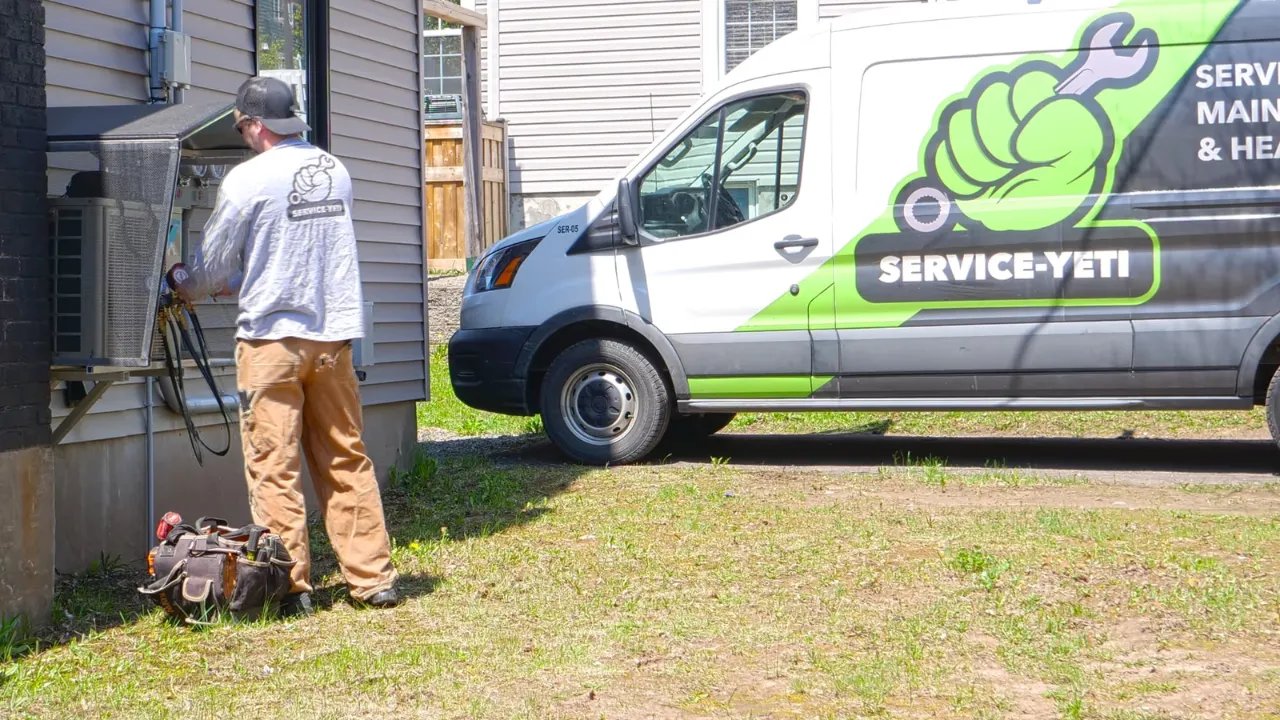
Choosing the right heating and cooling system is an important decision for homeowners. In Kelowna, where summers can bring considerable heat and winters often experience freezing temperatures, selecting suitable HVAC equipment requires careful planning. A professional home assessment helps identify a property’s heating and cooling requirements, insulation conditions, airflow needs, and energy consumption patterns before installation begins.
Table of Contents
- How a Home Assessment Improves Heat Pump Installation in Kelowna
- Understanding Kelowna’s Climate and Its Impact on HVAC Requirements
- What Does a Professional Home Assessment Include?
- Choosing Between Ducted and Ductless Heat Pump Systems
- How Heat Pumps Address Air Conditioning Needs in Kelowna
- Can Solar Panels Complement a Heat Pump System?
- Why Professional Guidance Matters for Long-Term HVAC Performance
- Frequently Asked Questions
- Why should a home assessment come before heat pump installation in Kelowna?
- How long does a heat pump installation take?
- Can a heat pump replace an existing air conditioner?
- Should insulation be assessed before installing a heat pump?
- Can solar panels work alongside a heat pump?
- What should homeowners ask an HVAC contractor before installation?
- Frequently Asked Questions
- Conclusion
How a Home Assessment Improves Heat Pump Installation in Kelowna
Every home has different heating and cooling requirements. Factors such as floor area, ceiling height, window placement, insulation quality, and air leakage influence how much heating or cooling a property needs throughout the year.
Before proceeding with heat pump installation in Kelowna, a qualified HVAC professional should evaluate these conditions. This assessment clarifies the appropriate equipment capacity and system configuration for the property.
Selecting equipment based solely on square footage can lead to sizing problems. An undersized unit may struggle to maintain comfortable indoor temperatures during extreme weather, while an oversized system may cycle frequently and operate less efficiently. A thorough assessment helps homeowners make informed decisions based on their property’s actual requirements rather than general recommendations or estimated heating needs.
Understanding Kelowna’s Climate and Its Impact on HVAC Requirements
Kelowna experiences significant seasonal temperature variations. Summer conditions can bring prolonged periods of heat, while winter temperatures can fall below freezing. These seasonal differences make year-round indoor comfort an important consideration when selecting an HVAC system. During a home assessment, an HVAC professional considers local weather conditions and how they affect indoor temperatures.
For example, south-facing windows may increase indoor heat during summer afternoons, while older windows, insufficient attic insulation, and air leakage can contribute to heat loss during winter. Multi-level homes may also experience uneven temperatures between floors.
Cold-climate heat pumps are worth considering because certain models can provide heating at low outdoor temperatures. However, their operating capacity and efficiency vary depending on equipment specifications and outdoor conditions. Understanding these factors before heat pump installation in Kelowna helps homeowners compare suitable equipment and determine whether supplemental heating may be necessary.
What Does a Professional Home Assessment Include?
A comprehensive assessment involves several important checks that help determine an appropriate heating and cooling solution.
Property Size and Layout
The assessment typically begins with an evaluation of the home’s floor area, room arrangement, ceiling heights, and number of levels. Open-concept living spaces may have different airflow requirements from properties with several enclosed rooms. These details help determine whether a ducted central heat pump or a ductless mini-split system may be more suitable.
Insulation and Air Leakage
Insulation plays an important role in maintaining indoor temperatures. Poorly insulated walls, attics, and crawl spaces can increase heating and cooling demands. An assessment may identify areas where additional insulation or air sealing could improve the building envelope. Addressing these issues can help reduce unnecessary heat transfer and support better overall HVAC performance.
Existing Heating and Cooling Equipment
The assessment should also review the condition of existing furnaces, air conditioners, ductwork, and thermostats. For homeowners considering an upgrade, the assessment can determine whether the existing ducts are suitable for a heat pump or whether modifications are needed. This step is particularly important when evaluating heat pump installation in Kelowna for older properties with existing heating infrastructure.
Electrical Capacity and Equipment Placement
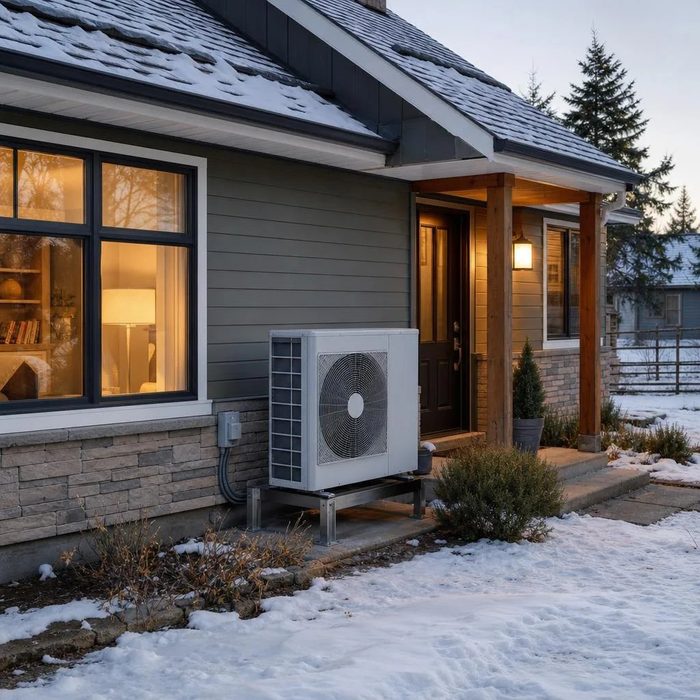
A heat pump may require an electrical assessment to confirm that the existing electrical service and components can accommodate the selected equipment. Outdoor unit placement also deserves attention. Available space, required clearances, drainage, noise considerations, and accessibility for future maintenance should all be evaluated before installation.
Choosing Between Ducted and Ductless Heat Pump Systems
Once the assessment is complete, homeowners can compare different system configurations based on their property’s layout and heating requirements.
- Ducted heat pumps: These systems distribute heated and cooled air through a network of ducts. They may be suitable for homes with existing ductwork that has sufficient capacity and is in appropriate condition.
- Ductless mini-split heat pumps: These systems use indoor units connected to an outdoor unit. They can be useful for homes without existing ductwork, room additions, or spaces where individual temperature control is preferred.
Both configurations have different installation requirements and operating considerations. The right choice depends on the home’s layout, comfort priorities, available space, and budget. A professional consultation can help homeowners compare these options before making decisions about heat pump installation in Kelowna.
How Heat Pumps Address Air Conditioning Needs in Kelowna
Kelowna’s summer temperatures make cooling capacity an important part of HVAC planning. Homeowners should consider how their heating equipment will perform during warmer months as well.
Modern air-source heat pumps can provide both heating and cooling by transferring heat in different directions. This makes them an alternative to installing separate heating and air conditioning equipment, depending on the property’s requirements. When considering air conditioning in Kelowna, professionals should evaluate room exposure, window placement, insulation, ventilation, and the home’s cooling load.
For properties with existing air conditioners, an assessment can also help determine whether replacing the current equipment with a heat pump is a suitable option. Considering both seasonal requirements during the planning stage can help homeowners select a system that addresses their year-round comfort needs.
Can Solar Panels Complement a Heat Pump System?
Homeowners planning broader energy improvements may also consider solar electricity as part of their property upgrade. Solar panels in Kelowna can be evaluated alongside heating and cooling improvements to understand how on-site electricity generation could contribute to household energy consumption.
The Okanagan’s sunny climate makes solar energy worth investigating, but the suitability of a system depends on property-specific factors, including roof orientation, shading, available roof space, electricity consumption, and installation costs.
Solar panels do not automatically eliminate electricity expenses or guarantee that a home will generate all the power required by its HVAC equipment. A coordinated energy assessment can help homeowners understand how solar electricity, heat pumps, insulation, and other improvements may work together. This approach also allows property owners to consider their current energy needs alongside potential future upgrades.
Looking for professional heat pump installation in Kelowna? Get in touch with Greenfoot Energy Solutions to discuss heating, cooling, and home energy needs. Call +1-778-721-5868 or email info@greenfootenergy.ca to learn more about available services.
Why Professional Guidance Matters for Long-Term HVAC Performance
Equipment selection is only one part of a successful heating and cooling upgrade. Proper installation, airflow balancing, electrical connections, refrigerant handling, and system commissioning also influence overall performance.
Before choosing a contractor, homeowners should ask about the recommended equipment model, heating capacity at lower outdoor temperatures, cooling performance, warranty coverage, installation requirements, and maintenance recommendations.
Working with an experienced local HVAC provider also makes it easier to discuss property-specific requirements and available service options. Greenfoot Energy Solutions offers heating, cooling, insulation, and solar energy services in Kelowna. Homeowners can explore their Kelowna energy services when considering improvements to indoor comfort, heating performance, and household energy use.
Frequently Asked Questions
Why should a home assessment come before heat pump installation in Kelowna?
A home assessment identifies heating and cooling loads, insulation conditions, ductwork requirements, and electrical considerations. This information helps determine an appropriate system for the property’s specific needs.
How long does a heat pump installation take?
Installation time varies depending on the equipment type, property layout, electrical requirements, and whether ductwork modifications are necessary. A contractor can provide a more accurate timeline after assessing the home.
Can a heat pump replace an existing air conditioner?
Yes, some heat pump systems provide both heating and cooling. Whether replacement is suitable depends on the home’s existing equipment, heating requirements, and cooling capacity needs.
Should insulation be assessed before installing a heat pump?
Yes. Insulation and air leakage influence the amount of heating and cooling a home requires. Addressing building envelope issues can help support better overall system performance.
Can solar panels work alongside a heat pump?
Yes. Solar photovoltaic systems can generate electricity that contributes to household consumption, including electricity used by heat pumps. Actual contributions depend on solar production and household demand.
What should homeowners ask an HVAC contractor before installation?
Ask about equipment sizing, cold-weather performance, electrical requirements, installation scope, warranty coverage, and ongoing maintenance. These details help homeowners compare available options more confidently.
Conclusion
A successful heating and cooling upgrade starts with understanding the home rather than selecting equipment based solely on price or general recommendations. From insulation and ductwork to electrical capacity and seasonal temperature changes, a professional assessment provides valuable information for making an informed decision. Homeowners considering heat pump installation in Kelowna should evaluate their property’s individual requirements and compare suitable system configurations before proceeding. Exploring related options such as air conditioning and solar panels also helps create a more comprehensive home energy improvement plan in Kelowna. With appropriate assessment and professional guidance, homeowners can make practical choices that support indoor comfort, energy efficiency, and their property’s long-term needs.
Planning a heating or cooling upgrade in Kelowna? Explore Greenfoot Energy Solutions’ local services for heat pumps, air conditioning, insulation, and solar energy. Visit the Kelowna location on the map to learn more and find the right home energy solutions.