









Ensuring each component’s traceability is paramount in today’s highly competitive and quality-driven manufacturing environment. Part marking serves as the linchpin in this process, enabling manufacturers to track parts throughout their lifecycle, ensuring quality, compliance, and efficiency. From raw material to finished product, every component must be identifiable and accountable.
Table of Contents
Effective part marking not only safeguards the integrity of the manufacturing process but also instills confidence in stakeholders, including regulators, customers, and partners. As industries evolve, the demand for advanced industrial marking solutions continues to grow, emphasizing the critical role of accurate and durable part identification.
Understanding Part Marking
Part marking refers to the process of labeling components with essential information such as serial numbers, barcodes, logos, or compliance symbols. This practice is vital for industries like automotive, aerospace, electronics, and healthcare, where component identification is crucial for safety and regulatory compliance. The markings must be durable, readable, and tailored to withstand harsh environments or operational stress. This is where industrial marking products—including machines and software—play a vital role in delivering consistency and accuracy. Additionally, solutions like custom made stencils and stickers custom are commonly used for flexible, on-demand identification tasks in both manual and automated settings.
Importance of Part Marking in Traceability
Ensuring Product Authenticity
Counterfeit components pose significant risks in various industries. part marking help in verifying the authenticity of parts, safeguarding against counterfeit infiltration. These markings serve as tamper-proof identifiers, establishing provenance and deterring the use of unauthorized materials. Leveraging robust part marking methods—such as laser engraving or electrochemical etching—ensures manufacturers can authenticate components even years after production. This is particularly beneficial in long-lifecycle products like aircraft engines or medical implants.
Facilitating Quality Control
By marking parts, manufacturers can trace defects back to their source, enabling prompt corrective actions and maintaining product quality. This traceability is essential for establishing robust quality assurance systems. Data collected from marked components supports root cause analysis and helps identify systemic issues in the production line. Additionally, integrating markings with smart sensors and analytics allows for predictive maintenance and real-time process adjustments, improving overall efficiency.
Compliance with Regulations
Industries are governed by strict regulations requiring component traceability. Part marking ensures adherence to these standards, avoiding legal repercussions. Standards such as ISO 9001, FDA UDI, and AS9100 mandate component-level traceability, especially in critical applications. Accurate part marking supported by compliant industrial marking systems is essential for meeting these legal and operational requirements. Failing to meet them can result in fines, recalls, or even halted production.
Efficient Inventory Management
Marked components allow for streamlined inventory tracking, reducing errors and enhancing operational efficiency. Machine-readable codes facilitate quick scans during inbound and outbound logistics, cycle counts, and reordering. When paired with industrial marking products, manufacturers can automate data entry and track usage rates with greater precision. This is particularly helpful in lean manufacturing environments, where real-time data drives supply chain decisions.
Common Part Marking Methods
Laser Marking
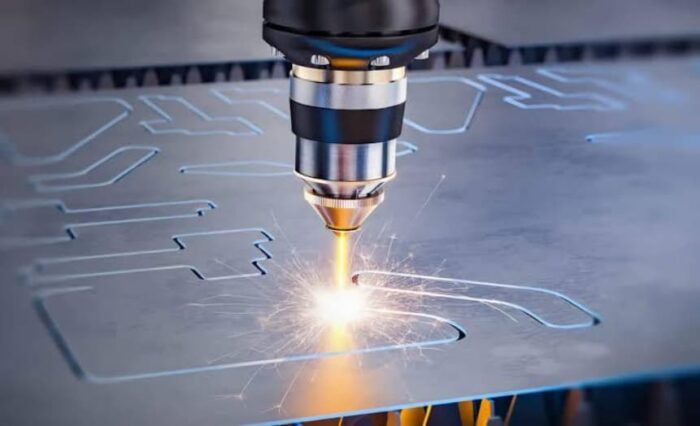
Laser marking offers high-precision, permanent markings without damaging the component. It’s suitable for various materials, including metals and plastics, making it ideal for serial numbers and barcodes. As one of the most advanced part marking methods, it provides consistent results with minimal maintenance. Manufacturers prefer laser marking for its environmental friendliness, durability, and speed.
Inkjet Marking
This method involves spraying ink onto the component’s surface. While cost-effective and fast, inkjet markings are less durable and may fade over time. Still, inkjet technology remains a viable choice for temporary markings or where longevity is not a concern. It’s often used with stickers custom, which can be easily applied and removed as needed during specific production phases.
Stamp Marking
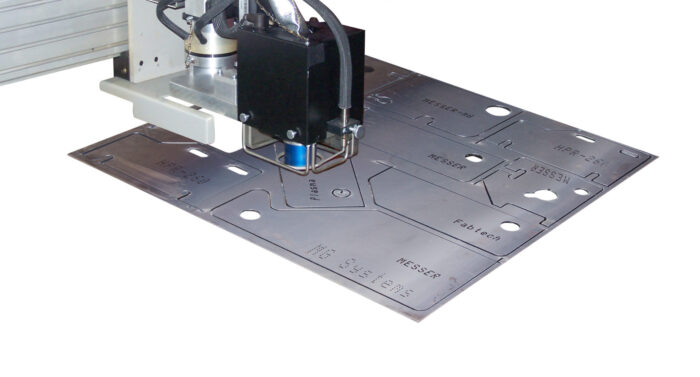
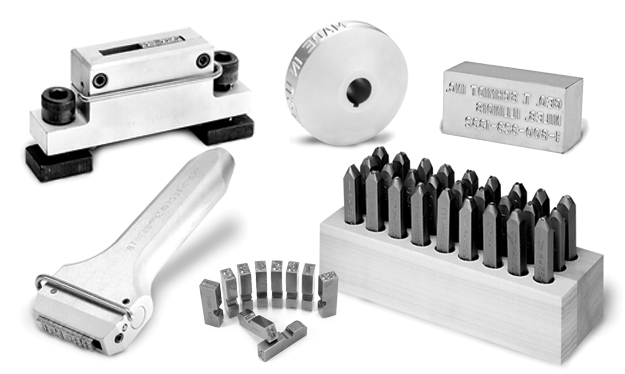
Using a die, stamp marking indents information onto the component. It’s a durable method suitable for metals and high-volume production. This is especially common in heavy industrial sectors, where rugged industrial marking solutions are required. Despite its limitations on delicate parts, it excels in repetitive, high-impact environments.
Engraving
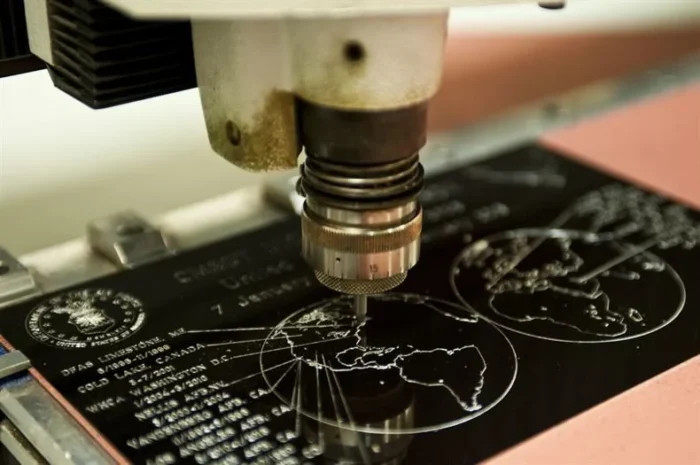
Engraving involves etching information into the component’s surface, offering deep, permanent markings resistant to harsh environments. It is often used in tandem with design of name plates, which may carry branding, safety warnings, or traceability codes. While slower, engraving provides unmatched longevity and aesthetic appeal, making it ideal for high-end or mission-critical components.
Industrial Marking Products and Customization
Manufacturers often require tailored solutions to meet specific production needs. Today’s market offers a wide array of industrial marking products, ranging from portable etchers to fully automated laser systems. Custom made stencils and stickers provide versatility for manual marking or low-volume production runs, ensuring that even small businesses can maintain high traceability standards. The design of name plates also plays a pivotal role, conveying critical information such as product identification, serial numbers, or safety certifications in a durable and aesthetically pleasing format. These nameplates are often customized to suit the surface, material, and regulatory needs of the application.
Best Practices for Effective Part Marking
- Material Compatibility: Choose part marking methods compatible with the component’s material to ensure durability and clarity. Testing on sample materials can help determine the best marking solution.
- Environmental Considerations: Select markings that can endure heat, chemicals, UV exposure, or abrasion depending on the part’s operational environment.
- Regulatory Compliance: Work with industry-specific standards to ensure markings meet legal and safety guidelines, especially when producing aerospace, medical, or food-grade components.
- Readability: Markings should be crisp, legible, and placed where they’re accessible to both humans and machines. Consider using high-resolution industrial marking products for barcode clarity.
FAQs
What is the most durable part marking method?
Laser marking and engraving are among the most durable part marking methods, offering permanent markings resistant to environmental factors.
Can part marking be applied to all materials?
While most materials can be marked, the method chosen must be compatible. This is where custom made stencils and specialized industrial marking systems are essential.
How does part marking aid in quality control?
It allows manufacturers to trace each component back through production, helping identify issues and ensure product quality.
Are there regulations governing part marking?
Yes. Regulatory bodies like ISO, FAA, and FDA require traceability, making accurate part marking mandatory for compliance.
Can part marking be customized?
Absolutely. Solutions like stickers custom, stencils custom, and design of name plates provide tailored marking that reflects brand identity and regulatory needs.
Conclusion
Part marking is a cornerstone of modern manufacturing, enabling traceability, product authentication, regulatory compliance, and inventory efficiency. With a wide range of part marking methods available, businesses can select solutions that best fit their production scale, industry demands, and budget. As technology advances, industrial marking products are becoming smarter, faster, and more integrated, offering unmatched precision and control. Incorporating elements like custom made stencils, stickers custom, and thoughtful design of name plates allows manufacturers to elevate both functionality and presentation. Ultimately, effective part marking is not just a compliance necessity—it’s a strategic asset that drives quality, reliability, and customer trust.