









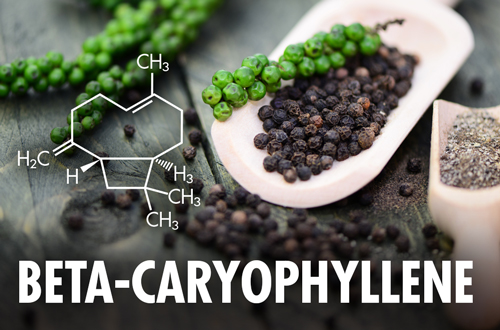
Aromatherapy has long been celebrated for its therapeutic benefits, offering a natural way to enhance physical and emotional well-being. Among the many terpenes that contribute to this practice, caryophyllene stands out for its unique properties.
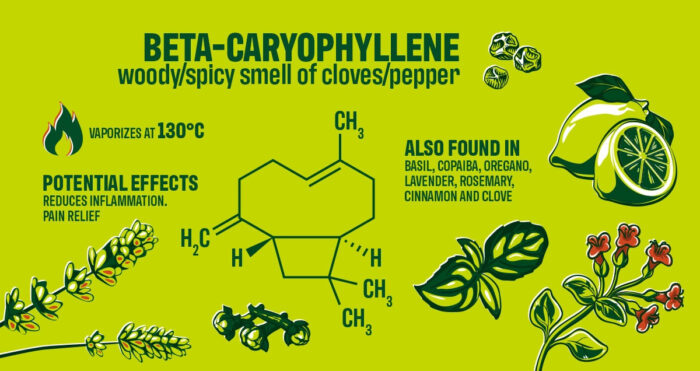
Also known as beta-caryophyllene (BCP), this terpene is found in various essential oils and plants, including black pepper, cloves, and cannabis. Its distinctive spicy and peppery aroma is not only pleasant but also plays a significant role in promoting wellness.
Table of Contents
The Beta-Caryophyllene Benefits
Beta-caryophyllene is a unique terpene because it acts as a cannabinoid, interacting with the body’s endocannabinoid system. Unlike other terpenes, BCP directly binds to CB2 receptors, which are primarily found in the immune system.
This binding action offers numerous BCP benefits, including anti-inflammatory and analgesic effects. Studies suggest that BCP may help alleviate pain, reduce inflammation, and support overall immune health.
Beta-Caryophyllene Terpene Benefits in Aromatherapy
Aromatherapy enthusiasts and researchers have highlighted the BCP terpene benefits for mental and emotional well-being. BCP’s ability to interact with the endocannabinoid system makes it effective in reducing anxiety and stress.
The calming effects of this terpene can be experienced through inhalation, making it a popular choice for essential oil blends aimed at relaxation and stress relief.

How Does BCP Work in the Body?
The question, “How does BCP work?”, is essential to understanding its therapeutic potential. BCP’s interaction with CB2 receptors distinguishes it from other terpenes. While most cannabinoids bind to both CB1 and CB2 receptors, BCP specifically targets CB2, which does not produce psychoactive effects.
This selective binding allows BCP to provide therapeutic benefits without the “high” associated with other cannabinoids, making it a safe option for daily use.
Exploring Caryophyllene Terpene Effects
The caryophyllene terpene effects extend beyond its interaction with the endocannabinoid system. Research suggests that BCP may also have antioxidant properties, helping to protect cells from damage caused by free radicals.
Additionally, it has been shown to support digestive health, potentially aiding in the treatment of gastrointestinal disorders. These effects make caryophyllene a versatile terpene with wide-ranging applications in health and wellness.
Understanding Caryophyllene Effects on Mood and Cognition
BCP’s impact on mood and cognition is another area of interest. The caryophyllene effects on the brain are believed to be linked to its anti-inflammatory properties. Chronic inflammation is associated with various mental health disorders, including depression and anxiety.
By reducing inflammation, BCP may help improve mood and cognitive function. Moreover, its non-psychoactive nature allows individuals to benefit from these effects without altering their mental state.
Final Thoughts
In conclusion, beta-caryophyllene (BCP) is a powerful terpene with numerous therapeutic benefits. From reducing inflammation and pain to alleviating anxiety and promoting immune health, BCP offers a natural way to enhance well-being.
Its unique ability to interact with CB2 receptors makes it a key player in aromatherapy and an exciting area of research. As we continue to explore the potential of caryophyllene, it becomes increasingly clear that this terpene holds great promise for improving physical and mental health.
FAQs
What is beta-caryophyllene (BCP)?
Beta-caryophyllene (BCP) is a terpene found in various plants, known for its unique ability to interact with the body’s endocannabinoid system, specifically targeting CB2 receptors.
Is BCP safe for daily use?
BCP is considered safe for daily use, as it does not produce psychoactive effects and offers various health benefits.
What are the benefits of beta-caryophyllene?
The benefits of beta-caryophyllene include anti-inflammatory, analgesic, and antioxidant properties, and the ability to alleviate anxiety and stress.
How does BCP work in the body?
BCP works by binding to CB2 receptors in the immune system, providing therapeutic effects without psychoactive effects.
Can beta-caryophyllene improve mood and cognition?
Yes, BCP may improve mood and cognition by reducing inflammation, which is associated with various mental health disorders.